Most Popular Water Heater Brands of 2026: A Comprehensive Review
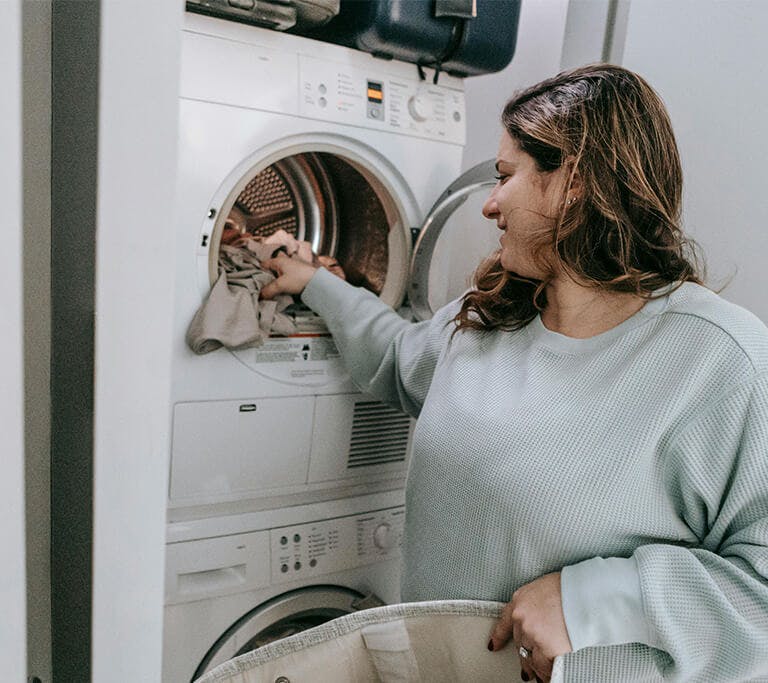
Ever stop to think about how much you rely on hot water every day? From refreshing morning showers to washing dishes after dinner or running a load of laundry before you go to bed, your water heater is working behind the scenes to keep your home running smoothly. In fact, water heating is the second largest energy expense in the average American home, according to the U.S. Department of Energy.
That’s why it’s so important to pick a water heater that can keep up with your hot water usage. A good water heater is reliable, energy-efficient and has innovative features that provide convenience without driving up your energy bills.
And since a well-maintained water heater can last up to 15 years, choosing a water heater for your home is a decision that has long-term effects. In this blog post, we’ll compare some of the most popular water heater brands to help you figure out which option is best for your home.

Which Features Do Popular Water Heater Brands Have in Common?
So, how do you know which water heater brands are actually worth the price tag? The most popular water heater brands of 2026 consistently deliver on a few key factors:
- Brand Reputation and Reliability — Some brands have been making high-quality water heaters for decades, proving time and again that their products can last. These manufacturers stand behind their units with solid warranties and strong customer support.
- Energy Efficiency — The best brands design their water heaters to maximize efficiency, offering ENERGY STAR®-certified models and features like smart temperature controls and high-efficiency heating elements to help maximize your energy savings.
- Product Range — Every home has different needs, and the top brands offer plenty of choices. Whether you need a tankless water heater for an infinite supply of hot water, a high-capacity storage tank for a large family or a heat pump water heater to save energy, the best brands have you covered.
- Innovative Features — The latest water heaters do more than just heat water. WiFi connectivity lets you control temperature from your phone; leak detection technology helps prevent water damage and self-cleaning systems extend the life of the unit. The best brands invest in smart features that make it much easier to manage your home.
- Warranty and Customer Support — Ever had an appliance break down just outside of its warranty period? This can be an extremely frustrating, costly experience. That’s why a long warranty is a good sign that a manufacturer stands by its product. Many of the most reputable brands offer 6 to 12 years of coverage, plus easy-to-reach customer support if you ever need help.
- User Reviews and Ratings — What do real customers say? That’s often the best way to gauge a product’s true performance. The most popular brands consistently get high marks for reliability, energy efficiency, ease of installation and long-term satisfaction — all things you’ll want to consider before making your decision.
At the end of the day, choosing the right water heater brand means finding one that fits your home, your lifestyle and your budget while delivering dependable performance for years to come. In the next sections, we’ll take a closer look at the top water heater brands of 2026 and what makes them stand out.
The Importance of Choosing the Right Water Heater Brand
Your water heater isn’t something you think about often — until it stops working. Suddenly, you’re stuck with cold showers, high repair costs, and the hassle of replacing an appliance you didn’t expect to fail. A well-made, energy-efficient unit from a trusted manufacturer can save you money, improve your comfort levels, and keep your home running smoothly for years.
The Cost of Choosing a Suboptimal Water Heater
Going with a lower-quality brand might seem like a way to save money upfront, but it often leads to more expenses in the long run. Cheaply made water heaters can suffer from the following:
- Frequent breakdowns — Poor manufacturing can lead to leaks, heating element failures and corrosion, requiring costly repairs or early replacement.
- Higher energy bills — Inefficient models waste energy, forcing your heater to work harder and raising your energy bills.
- Short warranties and poor support — If your unit breaks down and the warranty is lacking (or customer service is difficult to reach), you could be left footing the bill for unexpected repairs.
A high-quality water heater from a reputable brand is built to last — and when it does need servicing, you’ll have the customer support you need.
Why Energy Efficiency Matters
Water heating accounts for about 18% of your home’s energy usage, according to the U.S. Department of Energy. Choosing an ENERGY STAR-certified water heater or one with high-efficiency features can make a big difference. Over time, a more efficient model can lead to hundreds of dollars in savings on your energy bills while also reducing your home’s carbon footprint.
The best water heaters have features like:
- Heat pump technology — Uses less electricity by pulling heat from the air.
- Tankless water heating — Provides hot water on demand, reducing standby energy loss.
- Smart temperature controls — Allow you to optimize energy use through scheduling and remote adjustments.
Warranty and Customer Support: Your Safety Net
A good warranty is a sign of a well-made product. The best brands offer warranties ranging from 6 to 12 years, covering critical components like the tank and heating elements. Strong customer support can also make a big difference if you ever need troubleshooting, repairs or replacement parts.
Before choosing a brand, check the following:
- Warranty length and coverage — Does it cover leaks, heating elements and manufacturer defects?
- Customer Service reputation — Is the company easy to contact for support?
- Availability of replacement parts — Can you find parts easily, or will repairs take weeks?
Smart Features
Modern water heaters do more than just heat water — they make your life easier. Some of the latest models include:
- WiFi connectivity — Letting you monitor energy use and adjust settings remotely.
- Leak detection technology — Alerting you to leaks before they cause costly damage.
- Self-cleaning systems — Reducing sediment buildup and extending the unit’s lifespan.
These features not only improve convenience but can also prevent unexpected breakdowns and extend the life of your water heater.
Learning from Other Homeowners
When in doubt, see what other buyers are saying. User reviews and ratings provide real-world insight into:
- How well the water heater performs over time.
- Any recurring issues, such as leaks or sensor malfunctions.
- The quality of customer service and warranty support.
A high-rated brand with strong customer satisfaction is more likely to deliver a product that meets your expectations.
A Smarter Choice Pays Off
Investing in a reliable, energy-efficient water heater from a trusted brand pays itself off with lower energy costs, fewer repairs and a longer lifespan. In the next section, we’ll show you how to find the best brand for your home — from choosing the right type to considering budget and installation factors.
Choosing the Right Brand for You
Not all water heaters are built the same — and not all brands will be the right fit for your home. Finding the best water heater brand means understanding your needs, from household size and energy efficiency to installation and long-term savings. Here’s what to consider before making your decision.
Understand Your Needs
Before you shop, it may help to create a checklist of features you’re looking for in a water heater. Here are some of the most important factors to consider:

1. Type of Heater: Different water heaters serve different purposes:
- Tankless water heaters provide hot water on demand, saving space and energy. However, they usually cost more upfront.
- Storage tank water heaters have a reservoir of water that’s heated and ready for you to use. However, they require more energy to maintain the temperature of the water.
- Heat pump water heaters don’t need as much energy to heat your water, since they pull heat from the air.
- Solar water heaters rely on sunlight instead of electricity or gas, making them ideal for sunny climates.
2. Capacity: A household of one or two might get by with a 30- to 40-gallon tank, but a family of five or more may need at least 50 gallons. If you have frequent guests or a large home with multiple bathrooms, a high-capacity tank or tankless system might be your best bet for avoiding cold showers.
3. Fuel Source: Water heaters run on electricity, natural gas, propane, or solar power. If you’re replacing an old unit, it’s easiest to stick with the same fuel type unless you’re planning an upgrade.
4. Energy Costs: As mentioned earlier, water heating accounts for a significant portion of household energy use, so it pays to choose an efficient model. Here’s what to consider as you research energy-efficient water heaters:
- Energy Factor (EF): The EF rating tells you how efficiently a water heater converts energy into hot water. Higher ratings mean better efficiency. Look for ENERGY STAR-certified models for maximum savings.
- Environmental Impact: Some brands focus on sustainability with eco-friendly materials, higher efficiency ratings, and lower carbon emissions. Heat pumps and solar water heaters have the lowest environmental impact.
5. Budget Considerations: Cost isn’t just about the purchase price — it’s about long-term value. When comparing prices, here are some factors to consider:
- Upfront Costs vs. Long-Term Savings: Energy-efficient models and longer warranties often come at a higher initial price, but they can save you hundreds of dollars on energy bills and repairs over time.
- Rebates and Incentives: Check for local utility rebates, tax credits or federal incentives for purchasing energy-efficient appliances. These can make higher-end options more affordable.
6. Brand Reputation and Reliability: A well-known brand with a solid track record is usually a safer bet than a lesser-known one with limited customer feedback.
- Warranty: A good warranty can be a sign of product quality. Many leading brands offer 6 to 12 years of coverage on tanks and heating elements.
- Customer Reviews: Real-world experiences tell you how a water heater actually performs over time. Look for patterns in reviews — repeated issues like leaks or unreliable heating could be a red flag.
- History and Legacy: Established brands that have been in the industry for decades often have more reliable products and better service networks.
7. Ease of Installation and Maintenance: Some water heaters require complex installation, while others are plug-and-play.
- Installation Requirements: A tankless or heat pump water heater may require electrical upgrades, gas line modifications or venting changes, which can increase installation costs.
- Maintenance Needs: Some models are easier to maintain than others. Look for brands that offer readily available replacement parts and straightforward cleaning processes to extend the unit’s lifespan.
8. Convenience and Safety Features: Modern water heaters come with extra features that enhance performance and safety.
- Smart Features: Some units have WiFi connectivity that lets you adjust temperature, track energy usage, or receive maintenance alerts from your phone.
- Safety Features: Look for models with auto shut-off, leak detection sensors and pressure relief valves to prevent water damage and overheating.
9. Customer Support: Great customer support can make a huge difference if you ever run into problems with your water heater.
- Post-Sale Service: A brand with responsive, helpful customer support can save you time and frustration if you need repairs or warranty service.
- Availability of Parts: Some brands make it easy to find replacement parts, while others require special orders that can take weeks. Make sure you can get the parts you need quickly.
Making the Right Choice
By considering your household’s needs, energy efficiency, long-term costs and brand reputation, you’ll be able to choose a water heater that delivers reliable performance, lower energy bills and peace of mind for years to come.
Top 10 Water Heater Brands of 2026
When shopping for a water heater, you’ll likely come across a handful of well-known brands, each with different features, price points, and reputations. As your local energy experts, we don’t make a habit of recommending specific brands — where you shop is your choice!
However, we’re always here to help you learn about some of the most popular options available today, what customers are saying about them, and what to look for when comparing brands.
Below, we’ll provide an overview of some of the top water heater brands in 2026, highlighting their key features, innovations, and considerations to keep in mind. Whether you’re looking for energy efficiency, durability, or smart features, this guide will help you navigate your options so you can make an informed decision.

1. A.O. Smith
A.O. Smith is a manufacturer of residential and commercial water heaters, offering a range of storage tank, tankless and hybrid models. The company produces gas, electric, heat pump water heaters, with a focus on efficiency and performance. Many of its models are designed to meet ENERGY STAR efficiency standards.
Key Features:
- Variety of models: Offers options including tank, tankless, hybrid, gas, electric and commercial-grade water heaters in multiple sizes.
- Efficiency-focused designs: Many models are ENERGY STAR-certified, designed to reduce energy consumption.
- Technology integration: Some models include features such as digital temperature controls, leak detection, self-cleaning systems, and corrosion-resistant tanks.
Benefits:
- Energy savings: High-efficiency models help reduce long-term utility costs.
- Durability: Some units feature glass-lined tanks and corrosion-resistant components to extend the appliance’s lifespan.
- Broad availability: A.O. Smith products are widely sold by home improvement stores and plumbing professionals.
Considerations:
- Upfront cost: Some models, particularly hybrid and high-efficiency options, may have a higher initial price.
- Installation requirements: Certain units may require professional installation due to venting, gas line modifications, or electrical considerations.
Warranty Information:
A.O. Smith offers warranties that vary by model, typically ranging from 6 to 12 years. Consumers can check their product manual or contact A.O. Smith customer service for specific warranty details.
2. Rheem
Rheem is a manufacturer of gas, electric, solar, and hybrid water heaters for residential and commercial use. The company produces both tankless and storage tank models with varying efficiency levels.
Key Features:
- Variety of options: Offers tankless, solar, hybrid and traditional storage tank models.
- Energy efficiency: Some models are ENERGY STAR certified and designed to minimize energy use.
- Smart technology: Select units include WiFi connectivity, leak detection sensors, and self-diagnostic tools.
Benefits:
- Lower energy costs: Many models focus on high efficiency, helping reduce utility bills over time.
- Technology integration: Smart monitoring and diagnostic tools provide remote control and performance insights.
- Broad availability: Widely available through home improvement retailers and plumbing professionals.
Considerations:
- Upfront cost — Some high-efficiency models may have a higher initial price.
- Installation requirements — Certain units may require professional installation.
Warranty Information:
Rheem offers warranties ranging from 6 to 12 years, depending on the model. Consumers can check product manuals or contact Rheem customer service for specific details.
3. Bradford White
Bradford White produces gas, electric and hybrid water heaters but primarily sells through plumbing professionals rather than direct-to-consumer retail.
Key Features:
- Commercial and residential models: Offers a variety of tank and tankless water heaters.
- Sediment control technology: Some models include the Hydrojet® Total Performance System to reduce sediment buildup.
- Flame arrestor safety: Certain models feature flame arrestor technology to help prevent fire hazards due to flammable vapors.
Benefits:
- Durability: Engineered with heavy-duty components for long-term use.
- Strong warranty coverage: Some models include extended warranties on tanks and parts.
- Safety Features: Designed to enhance safety and reliability in gas-powered models.
Considerations:
- Limited consumer availability: Sold primarily through professional installers rather than retail stores.
- Higher installation costs: Requires professional installation, which may add to overall expenses.
Warranty Information:
Bradford White’s warranty coverage varies by model. Homeowners can refer to their professional installer or product manual for details.
4. EcoSmart Water Heaters:
EcoSmart specializes in electric tankless water heaters, focusing on compact, energy-efficient designs.
Key Features:
- Compact size: Designed for space-saving installation.
- Self-modulating technology: Adjusts energy consumption based on hot water demand.
- Electric-only models: Offers electric tankless water heaters, rather than gas-powered units.
Benefits:
- Energy efficiency: Self-modulating technology helps reduce energy waste.
- Lower operating costs: Many models aim to cut utility bills compared to traditional tanks.
- Space savings: Tankless design allows for flexible installation in smaller areas.
Considerations:
- Electrical requirements: Some models may require electrical upgrades for optimal performance.
- Temperature fluctuations: Some users report variations in water temperature when multiple fixtures are in use.
Warranty Information:
EcoSmart offers limited lifetime warranties on some models, with conditions for professional installation and registration.
5. Navien
Navien is known for tankless condensing water heaters designed for energy efficiency and high-demand usage.
Key Features:
- Condensing technology: Uses dual heat exchangers to improve efficiency.
- Built-in buffer tank: Helps reduce temperature fluctuations in hot water delivery.
- WiFi connectivity: Select models offer remote monitoring and control via mobile apps.
Benefits:
- Reduced energy waste: Condensing technology helps lower operating costs.
- High hot water output: Designed for larger households with frequent hot water needs.
- Reliable temperature control: Built-in buffer tank helps maintain steady water temperature.
Considerations:
- Higher upfront cost: Some models cost more than traditional tank heaters.
- Installation complexity: May require venting or gas line adjustments.
Warranty Information:
Navien provides a 15-year warranty on heat exchangers and a 5-year warranty on parts.
6. Rinnai
Rinnai manufactures gas-powered tankless water heaters for residential and commercial use.
Key Features:
- Tankless water heating: Provides hot water on demand without storage tanks.
- Smart controls: Certain models include WiFi-enabled temperature adjustments.
- High-efficiency options: Some units are ENERGY STAR-certified.
Benefits:
- Endless hot water supply: Eliminates the need for a storage tank.
- Lower energy use: Tankless design reduces standby heat loss.
- Compact footprint: Allows for space-saving installation.
Considerations:
- Higher initial investment: Tankless units often cost more upfront than traditional water heaters.
- Installation costs: May require gas line or venting modifications.
Warranty:
Rinnai provides a 12-year warranty on heat exchangers, with varying terms for parts and labor.
7. Bosch
Bosch produces gas, electric, and tankless water heaters, with a focus on energy efficiency and durability.
Key Features:
- ENERGY STAR-certified models: Some units are designed for high efficiency.
- Self-cleaning technology: Helps reduce scale buildup for a longer lifespan.
- Safety features: Includes temperature regulation and leak detection systems.
Benefits:
- Lower maintenance needs: Self-cleaning models help reduce sediment buildup.
- Energy savings: Some models prioritize fuel efficiency.
- Durability: Many units include corrosion-resistant components.
Considerations:
- Higher price point: Some models cost more than standard water heaters.
- Installation requirements: Certain units require professional installation.
Warranty Information:
Bosch provides warranty terms that vary by model, covering heat exchangers, tanks and parts.
8. Stiebel Eltron
Stiebel Eltron is a German manufacturer that produces energy-efficient and safety-focused water heaters. The company offers tankless and storage tank electric models, with an emphasis on compact design and advanced engineering.
Key Features:
- Energy-efficient technology: Many models are designed to minimize heat loss and reduce energy consumption.
- Range of options: Includes tankless, whole-house and point-of-use water heaters for various applications.
- Safety mechanisms: Features include automatic shut-off and temperature regulation to prevent overheating.
- Compact design: Some models are designed to fit in small spaces, making them suitable for apartments and tight utility areas.
Benefits:
- Energy savings: Efficient heating technology may help lower long-term utility costs.
- Durability: Components are designed for long-lasting performance, with some models featuring corrosion-resistant materials.
- Consistent hot water supply: Tankless models provide on-demand heating, which can reduce standby energy loss.
Considerations:
- Upfront cost: Some Stiebel Eltron models have a higher initial investment due to their efficiency-focused design.
- Installation requirements: Some units may need professional installation to meet electrical specifications.
Warranty Information:
Stiebel Eltron provides warranty coverage that varies by model, including coverage for heating elements and key components. Consumers should review specific product documentation or contact the manufacturer for details.
9. Kenmore
Kenmore is a well-established home appliance brand that produces a variety of gas and electric water heaters. The company focuses on efficiency, safety, and user-friendly design across its product line.
Key Features:
- Energy-conscious models: Some units include high-efficiency heating elements designed to reduce energy use.
- Diverse selection: Offers tank and tankless water heaters in multiple sizes and capacities.
- Safety systems: Some models feature overheat protection and leak detection sensors.
Benefits:
- Broad availability: Kenmore water heaters are sold through major retailers and online stores.
- Ease of use: Many models feature intuitive controls for adjusting temperature and settings.
- Reliable performance: Certain models include corrosion-resistant tanks designed to extend the unit’s lifespan.
Considerations:
- Price range: Some Kenmore models may be more expensive than other brands with similar capacities.
- Installation needs: Depending on the model, professional installation may be required to meet warranty conditions.
Warranty Information:
Kenmore offers warranties that vary by product type, typically covering heating elements and tank integrity. Consumers can check product manuals or Kenmore’s support services for details.
10. Whirlpool
Whirlpool, a global home appliance brand, manufactures gas, electric and hybrid water heaters. The company integrates efficiency, safety, and design into its models, with options suited for residential use.
Key Features:
- Energy-efficient design: Certain models include insulated tanks and high-efficiency heating elements.
- Multiple configurations: Offers traditional tank, tankless and hybrid models.
- Built-in safety features: Some models include temperature controls and leak detection systems.
Benefits:
- Energy savings potential: Some Whirlpool models are designed to reduce standby heat loss, which can lower energy bills.
- User-friendly operation: Select models have digital temperature displays for precise control.
- Variety of sizes: Water heaters are available in different capacities to fit various household needs.
Considerations:
- Cost variations: Some high-efficiency models may have a higher upfront price.
- Installation requirements: Certain units may require professional setup, especially hybrid or advanced models.
Warranty Information:
Whirlpool provides warranty coverage based on model type, generally including protection for key components. Consumers can refer to product manuals or Whirlpool’s support resources for details.
Tip: Questions to Ask When Buying a Water Heater
Once you narrow down your list of options and begin shopping, here are some questions you may want to consider asking a sales representative or plumbing professional before making your selection:
- What is the energy efficiency rating of the brand’s water heaters, and how does it compare to other brands?
- Does the brand offer substantial warranties or guarantees for its products, and what do they cover?
- Are there any unique or innovative features, such as WiFi connectivity, leak detection, or advanced safety measures?
- How accessible are replacement parts and maintenance services in your area?
- What do customer reviews suggest about the brand’s product performance, customer service, and overall user satisfaction?
By keeping these questions in mind, you can evaluate different brands based on what matters most to you — whether it’s energy efficiency, reliability, long-term cost savings or ease of maintenance.
Wrapping Up: The Heat of the Matter in 2026's Water Heater Landscape
Choosing a water heater isn’t just about buying the first model you see — it’s about finding the right balance of efficiency, reliability and features to fit your household’s needs. The most popular brands in 2026 stand out for their energy efficiency, strong warranties, ease of installation, smart technology, and customer support.

Before making a decision, take time to:
- Assess your household needs. Consider your home’s hot water demand, fuel source and space constraints to determine the best type of water heater.
- Compare energy efficiency. Look for ENERGY STAR-certified models or features like heat pumps and tankless systems to maximize savings.
- Review warranty and service options. A longer warranty and accessible customer support can provide peace of mind and extra savings.
- Consider smart features. If WiFi controls, leak detection or self-cleaning technology would improve your experience, check which brands offer them.
- Read customer feedback — Real-world reviews can provide insight into performance, reliability and ease of maintenance.
With water heater technology evolving each year, many modern models now integrate smart controls, advanced safety measures, and eco-friendly innovations. These features can enhance efficiency, extend the lifespan of your unit, and reduce long-term costs.
If you’re an EPB customer and looking for a new water heater, the EPB Energy ProsSM are here to help you. Schedule a no-cost consultation by phone or chat at a time that works best for you, and we’ll talk to you about energy efficiency, installation considerations and general best practices for selecting the right water heater.